CR2@ICRA2026
Workshop on the Path Towards Generalizable Contact-Rich Robotics: Control and Representation
June 1st, 2026. Vienna, Austria. Room TBA
Overview
Contact-rich robotics, where robots skillfully interact with the world through physical contact, represents one of the most challenging frontiers in robotics today. Recently, we have seen significant advances in contact representation and control algorithms that also have led to widening gaps between communities. This workshop aims to close these gaps by bringing together leading researchers in the field to participate in a series of facilitated discussions to identify promising research directions, and work toward consensus on key open problems that must be solved to achieve truly generalizable contact-rich robotics systems in the open world.
Important Dates
- Submission Deadline: April 3rd, 2026, Anywhere on Earth.
- Notification of Acceptance: April 17th, 2026
- Workshop Date: June 1st, 2026
Panelists
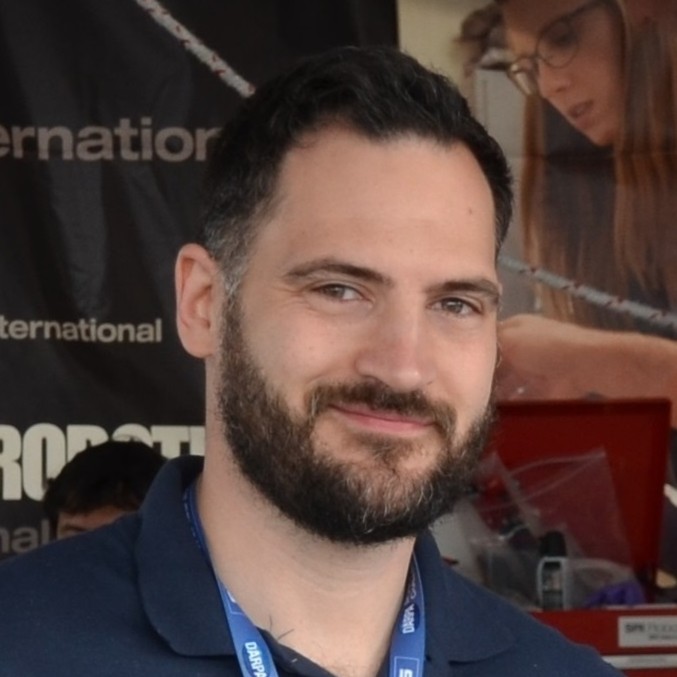
Aaron Ames
Professor at Caltech
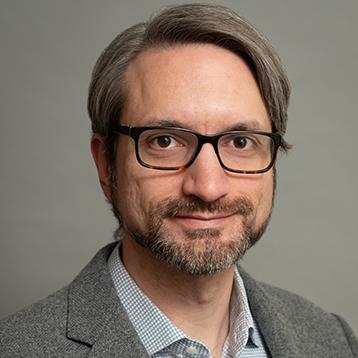
Aaron Johnson
Professor at Carnegie Mellon University
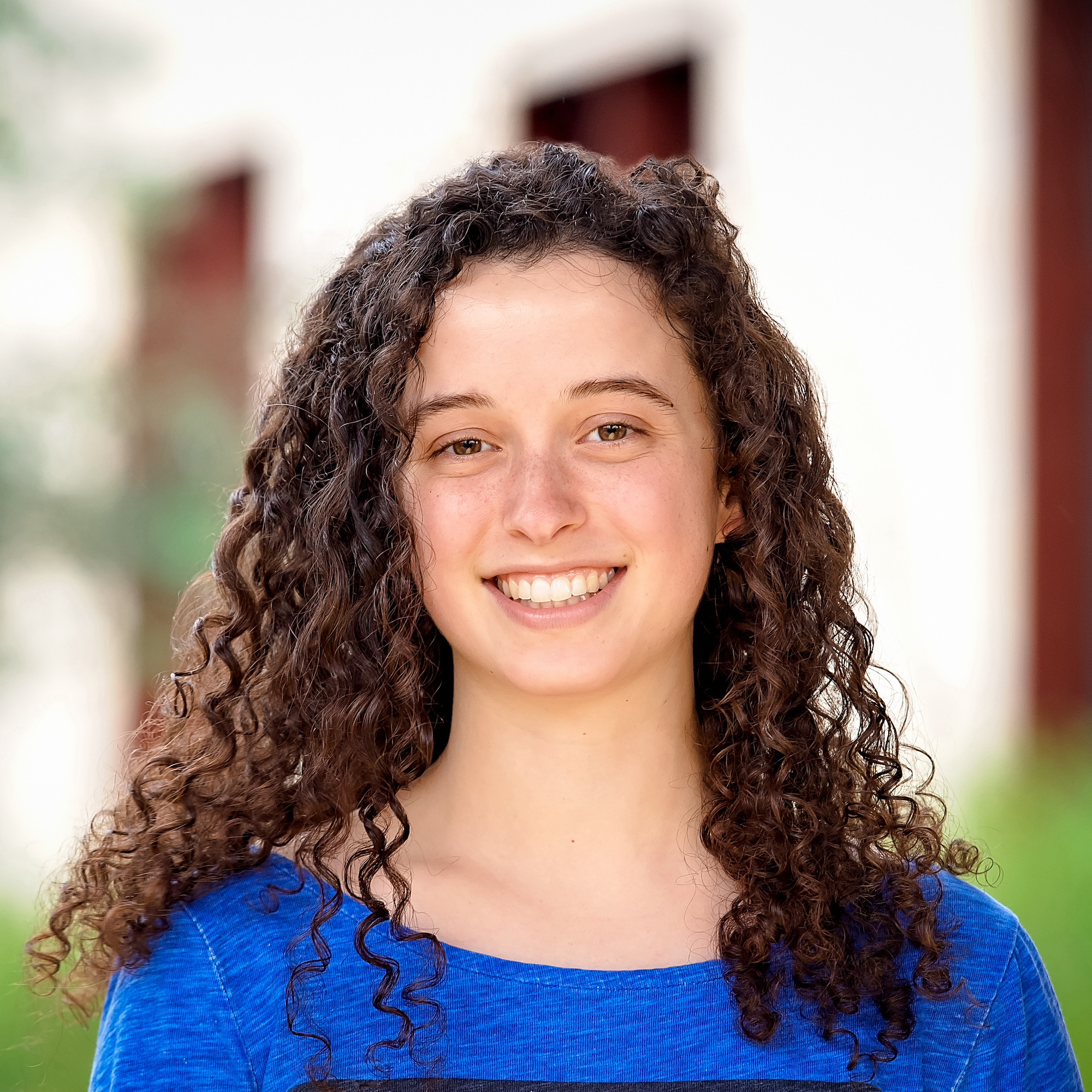
Bibit Bianchini
Ph.D. Student at the University of Pennsylvania
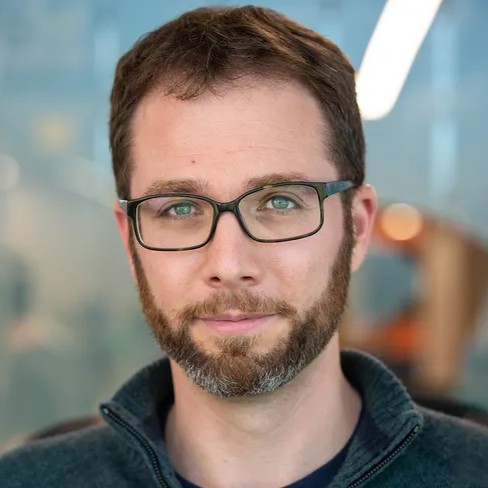
Dmitry Berenson
Associate Professor at University of Michigan
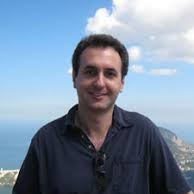
Emo Todorov
Professor at University of Washington
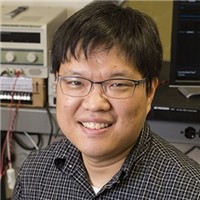
Hae-Won Park
Associate Professor at KAIST
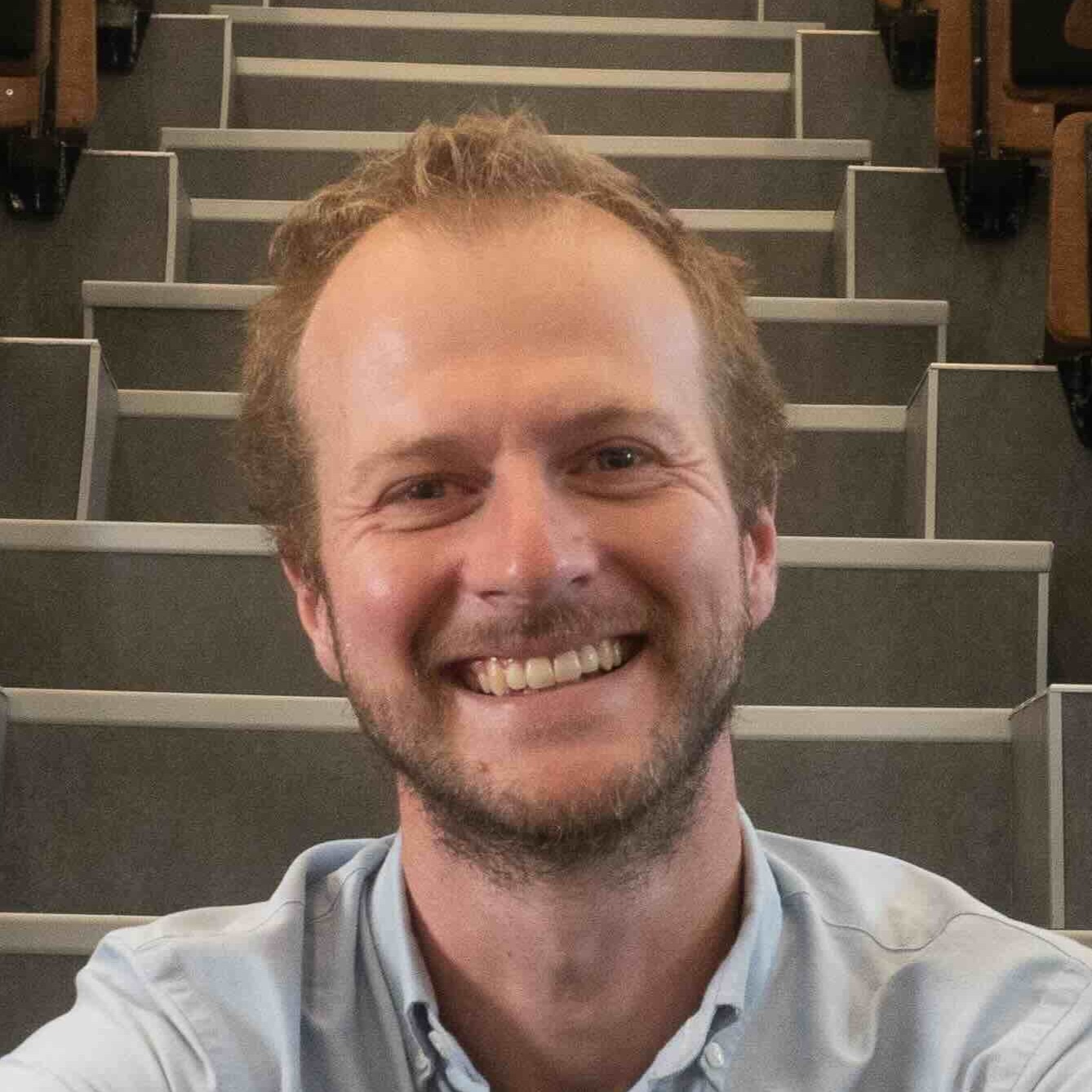
Justin Carpentier
Robotics Researcher at Inria
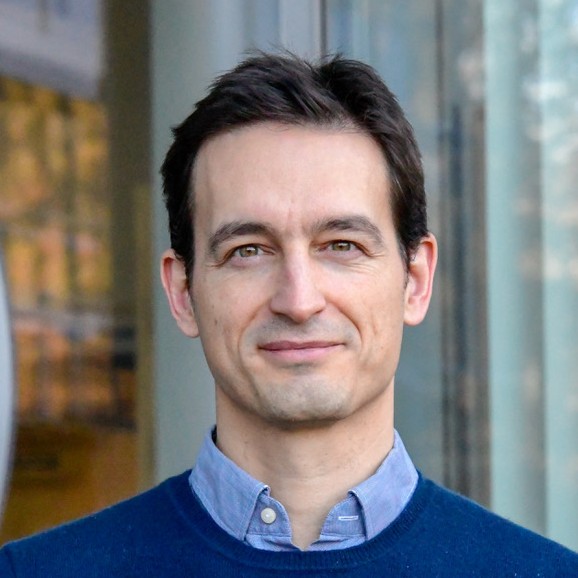
Marc Toussaint
Professor at TU Berlin
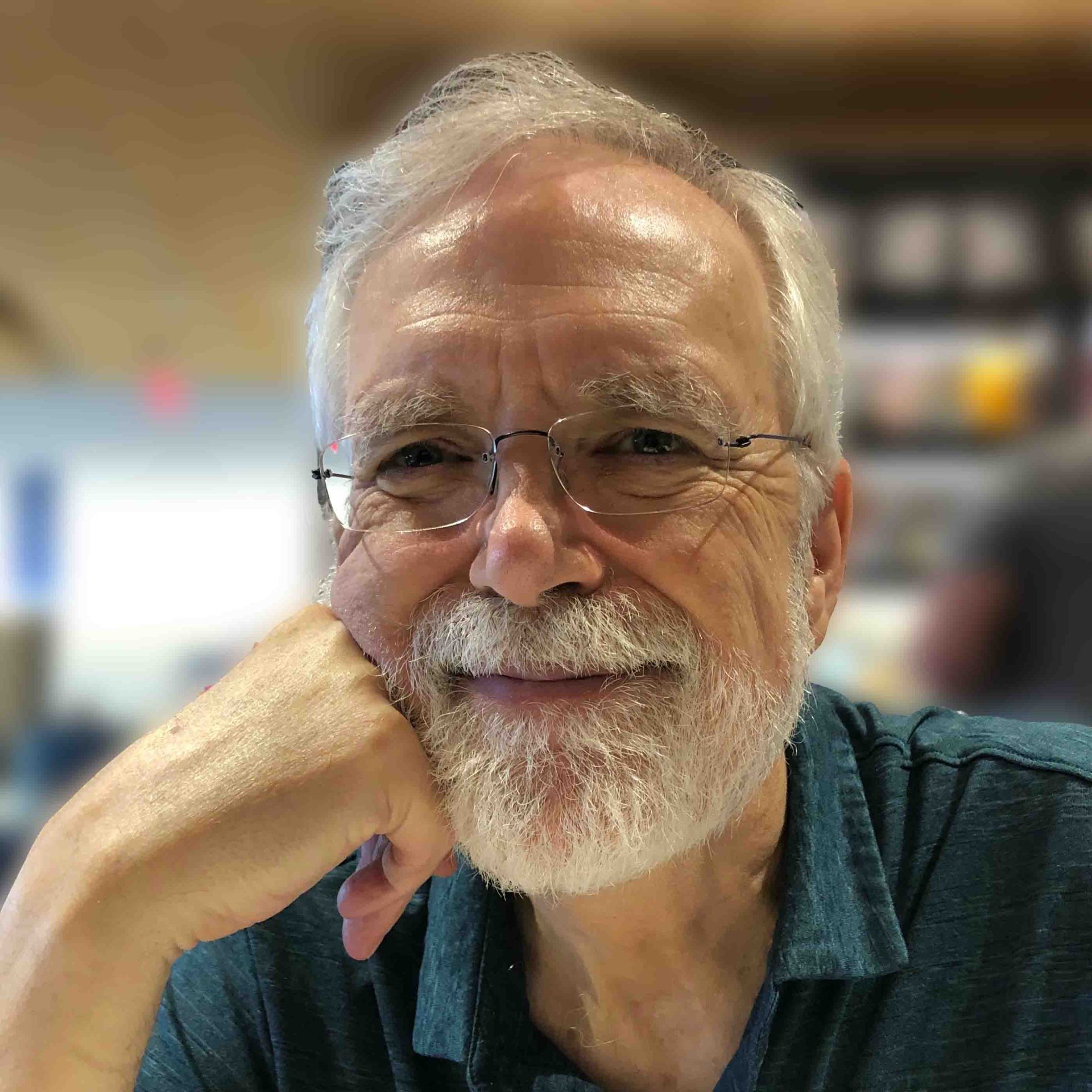
Matthew Mason
Professor Emeritus at Carnegie Mellon University and Chief Scientist at Berkshire Grey
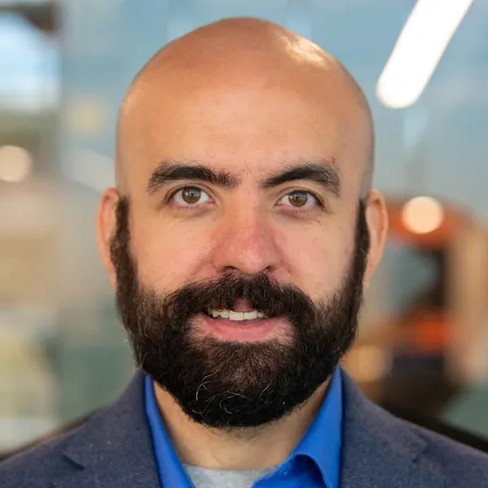
Nima Fazeli
Assistant Professor at the University of Michigan
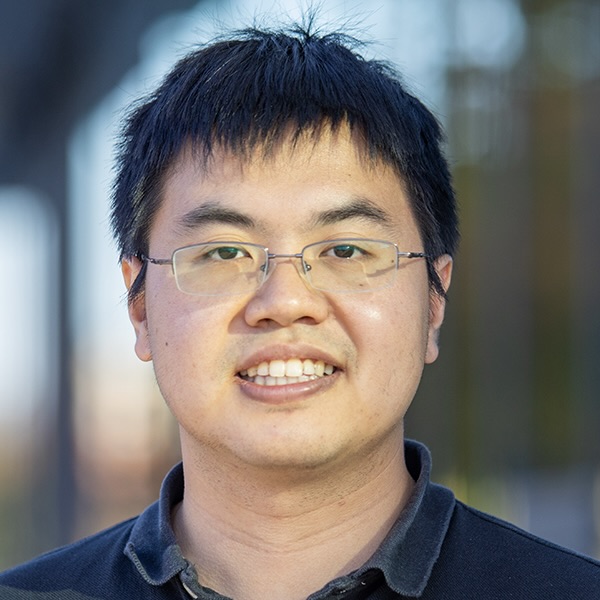
Yilun Du
Assistant Professor at Harvard
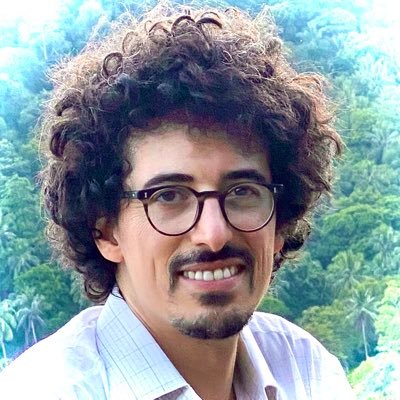
Yuval Tassa
Simulation Lead at Google Deepmind
Tentative Schedule
| Time | Session | Speakers/Panelists |
|---|---|---|
| 09:00 – 09:15 | Welcome + intro | Organizers |
| 09:15 – 10:15 | Panel 1: Contact Model Representations | Nima Fazeli, Marc Toussaint, Yuval Tassa, Yilun Du |
| 10:15 – 11:00 | Coffee break + poster session | |
| 11:00 – 12:00 | Spotlight talks (4-5 slots) | |
| 12:00 – 01:30 | Lunch break | |
| 01:30 – 02:30 | Panel 2: Algorithms for Contact-Rich Control | Justin Carpentier, Bibit Bianchini, Hae-Won Park, Emo Todorov |
| 02:30 – 03:30 | Spotlight talks (4-5 slots) | |
| 03:30 – 04:15 | Coffee break + poster session | |
| 04:15 – 05:15 | Panel 3: State and Future for Contact-Rich Control | Matt Mason, Aaron Ames, Aaron Johnson, Dmitry Berenson |
| 05:15 – 05:30 | Conclusions | Organizers |
Calls for Participation
This workshop is emphasizing in-progress work and how our convictions and perceptions in the field are under constant change. In this spirit, we not calling for *any* invited speakers or presentations of published papers, especially papers that will be on the floor at ICRA. Instead, our calls for participation are below:
Call for abstracts
We strongly emphasize and encourage the submission of late-breaking, speculative, or otherwise unpublished material. In this submission category, please submit an abstract (no more than 4 pages, excluding references) in standard ICRA/IROS template. This submission will undergo a double-blind review process. Accepted abstracts will be presented at one of the two poster sessions during the workshop.
Call for research talks
We have 8-10 slots for solicited talks (10-15 minutes) to be selected from submitted abstracts. The selection process will emphasize new and creative ideas or results that have not previously been published. Work centered around papers being presented at ICRA will not be considered. We particularly encourage submissions from more junior researchers, loosely defined. For your submission to be considered for a talk, please include a 2-3 minute video summary (with speaker audio) along with a brief abstract of the proposed talk. The video summary should serve as a preview of what you would present, though we understand that the details of the talk will evolve between the submission date and the workshop itself.
Submission Portal
All submissions should be made through OpenReview.
Topics of Interest
We welcome submissions related to, but not limited to, the following topics:
Contact Model Representations
- Learned vs. analytical contact models
- Structure-preserving learned models
- Rigid and compliant and differentiable contact models
- GPU-accelerated contact simulation
- Contact reasoning in visual world models
- Analytical and learned models for deformable objects, granular media
- Sim-to-real fidelity and accuracy requirements for control
Algorithms for Contact-Rich Control
- Sampling, differentiable simulation, and non-convex optimization methods
- Key challenges for deployment: scale, friction, and hybrid dynamics
- Evaluation and comparison of approximate solvers
- Convergence properties and contact mode discovery in local solvers
- Zeroth-order and gradient-based optimization for contact
- Sim-to-real policy transfer and adaptation
- Tactile and force feedback in contact-rich control
The State and Future of Contact-Rich Control
- Model-based and learning-based control
- Perception and high-dimensional sensing for contact-rich tasks
- Rigid body and deformable object manipulation
- Tools and infrastructure for contact-rich robotics
- Benchmarks and evaluation metrics for contact-rich control
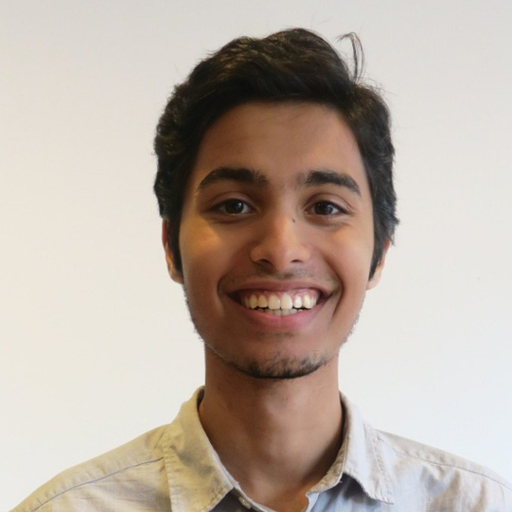
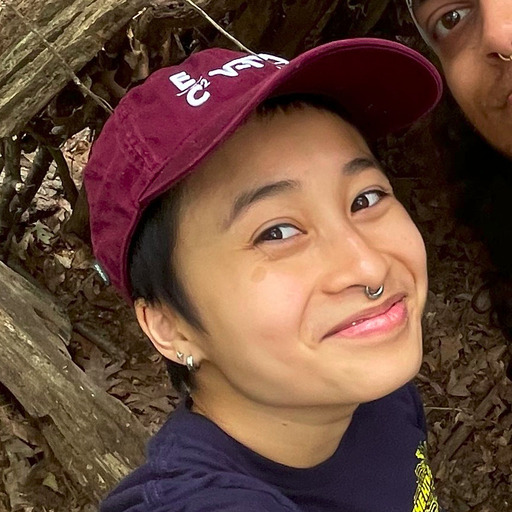
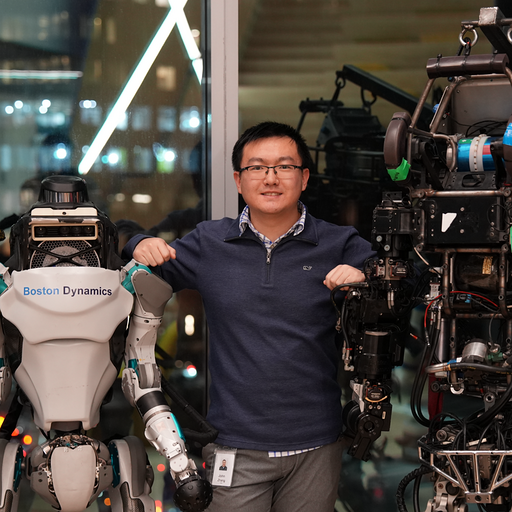
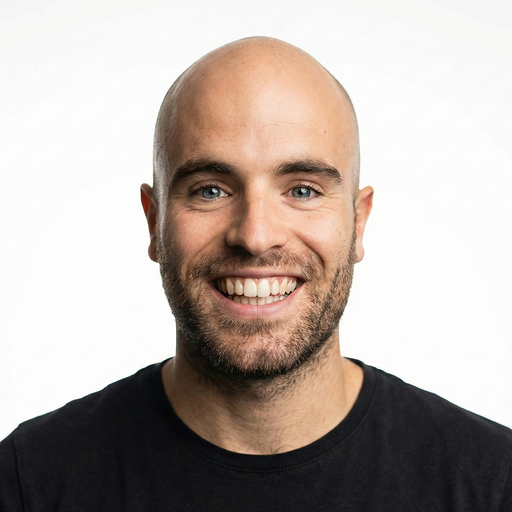
Organizers
For questions or inquiries, please contact us at cr2-icra2026@mit.edu.